
The Americana Authenticity Crisis
The Man in the High CastleThe market for historic American artifacts is poisoned by forgeries, forcing the antique dealer Robert Childan to seek a radically new kind of object.
increasing Bearing strength in each event
 decreasing
Bearing strength in each eventdecreasingThe Fake Admiral's Visit
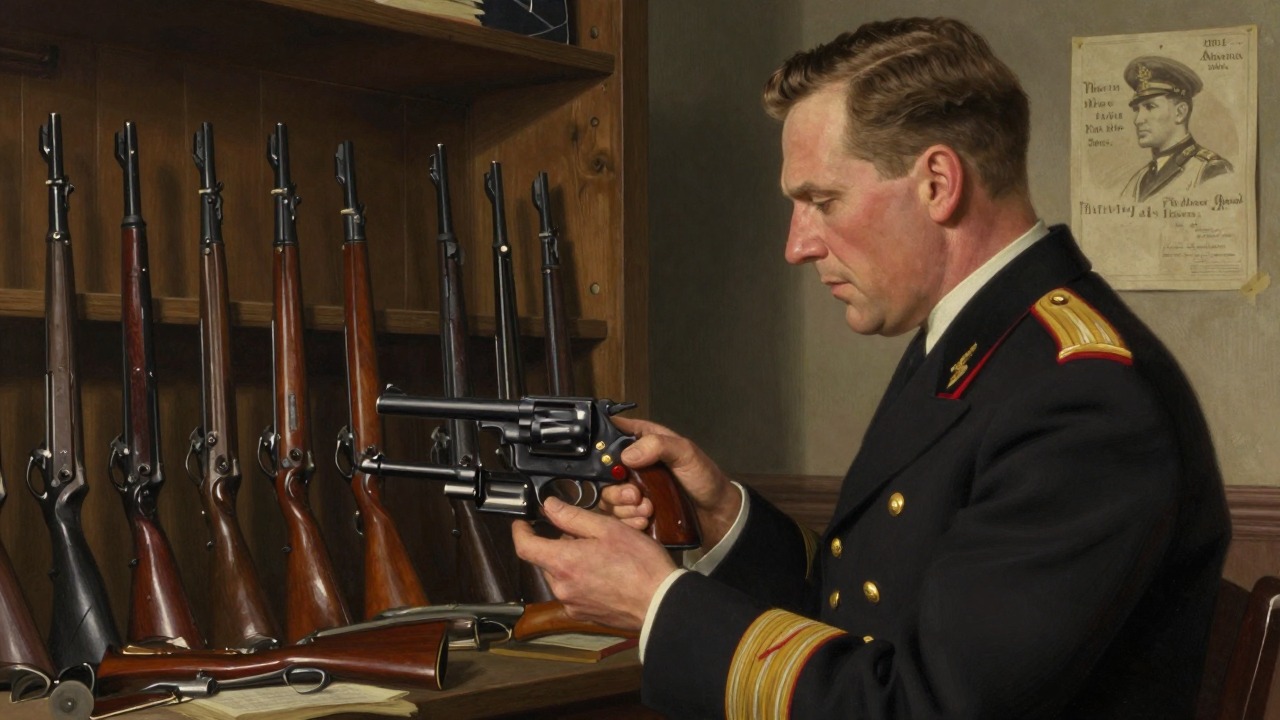
The Fake Admiral's Visit
Context
A smooth-spoken white man visits Robert Childan's store pretending to represent Admiral Harusha of the Imperial Navy. He wants to buy twelve Civil War side arms for the admiral's officers.
Turning Point
Childan shows him a Colt .44, and the man calmly identifies it as a fake, then walks out, leaving the deposit check unwritten.
Significance
The incident breaks Childan's confidence in his entire stock. It is the first glimpse of the counterfeit economy that runs beneath the Pacific's love affair with American history.
Laboratory Verdict
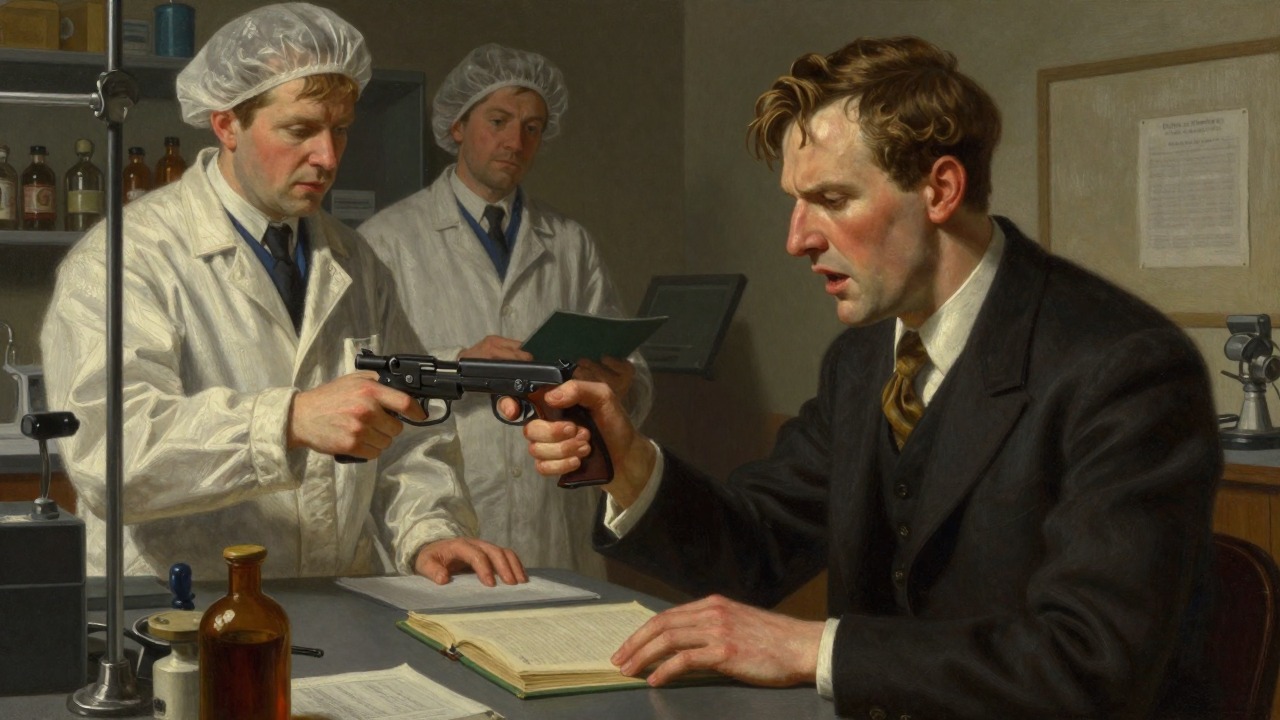
Laboratory Verdict
Context
Childan sends the suspect Colt to a university laboratory for testing. The technicians report that the gun is a modern reproduction, cast from plastic molds and artificially aged by an expert craftsman.
Turning Point
Childan angrily covers up his own suspicion, insisting to the lab that he knew the gun was a prank. When he investigates further, he traces the fake to his wholesaler Ray Calvin.
Significance
The verdict confirms that the antique trade is drowning in fakes. Childan must decide whether to expose the rot or quietly make his own peace with it.
Ray Calvin Confronted
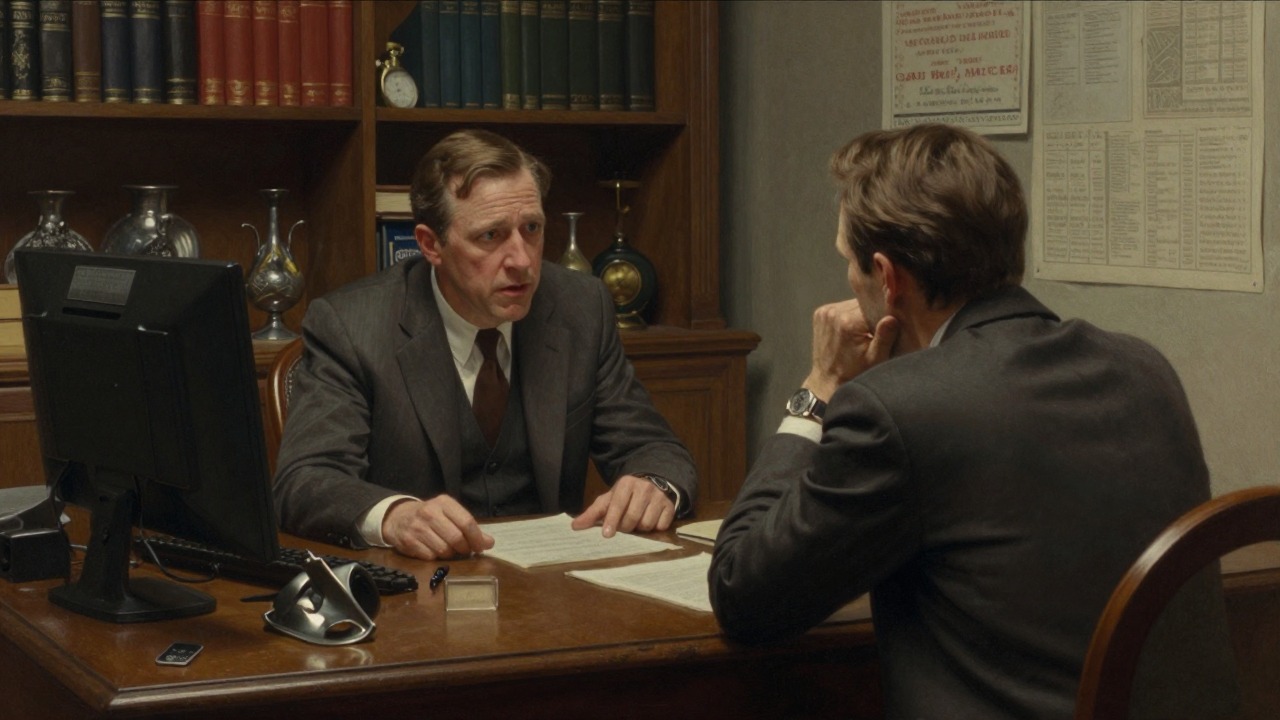
Ray Calvin Confronted
Context
Childan storms into the wholesaler's office and demands restitution. Ray Calvin is puzzled and frightened, because the whole industry has always known that these objects are fakes produced by metal shops like W-M Corporation.
Turning Point
Calvin's panic alerts Wyndam-Matson, the actual forger, who realizes he is being blackmailed by his own ex-workers Frink and McCarthy.
Significance
The confrontation reveals how deeply the counterfeit network spreads. It also brings Childan closer to the truth that historicity itself is a delusion.
Edfrank Consignment
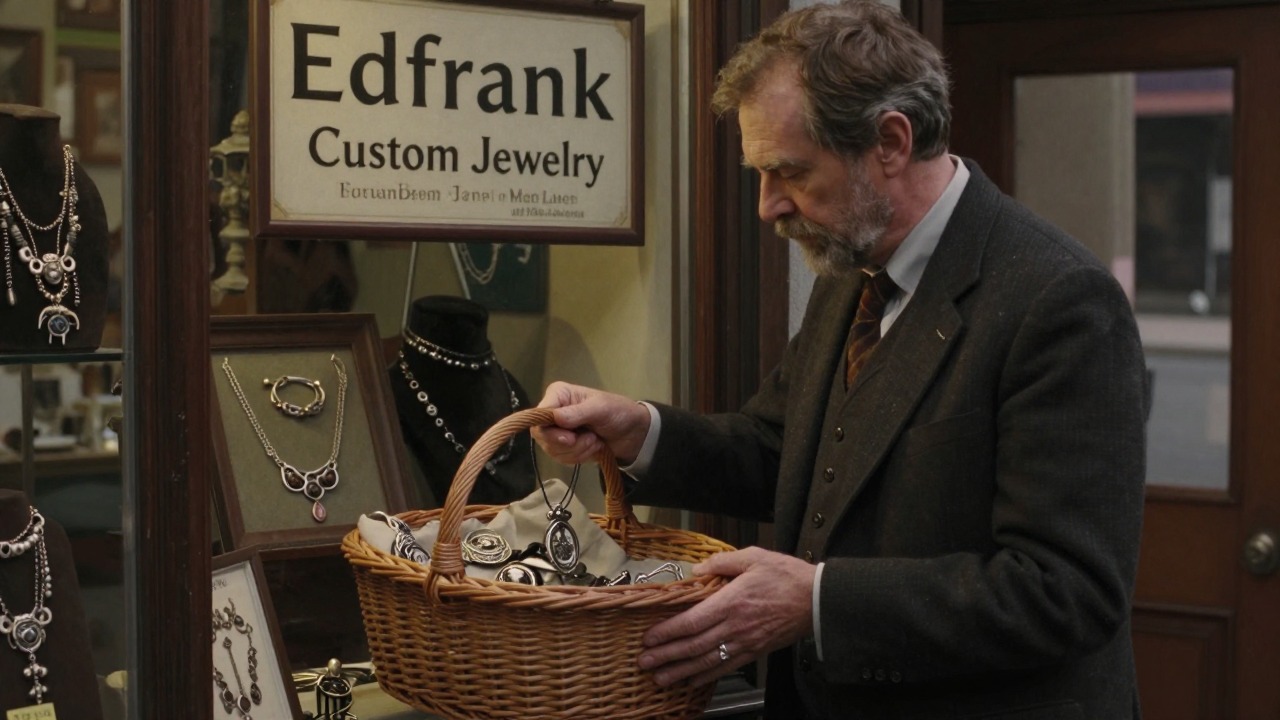
Edfrank Consignment
Context
Ed McCarthy, now selling for Edfrank Custom Jewelry, enters Childan's store with a wicker hamper of handmade metal jewelry. Childan initially dismisses it, but he notices something entirely new — objects with no claim to the past.
Turning Point
Childan offers only consignment terms, knowing he has no investment risk. McCarthy reluctantly leaves his best pieces, hoping that some will sell.
Significance
This is the first seed of the new art economy in the novel. The contemporary jewelry of Frink and McCarthy represents the only authentic thing in the American market.
Tagomi Accepts the New Art
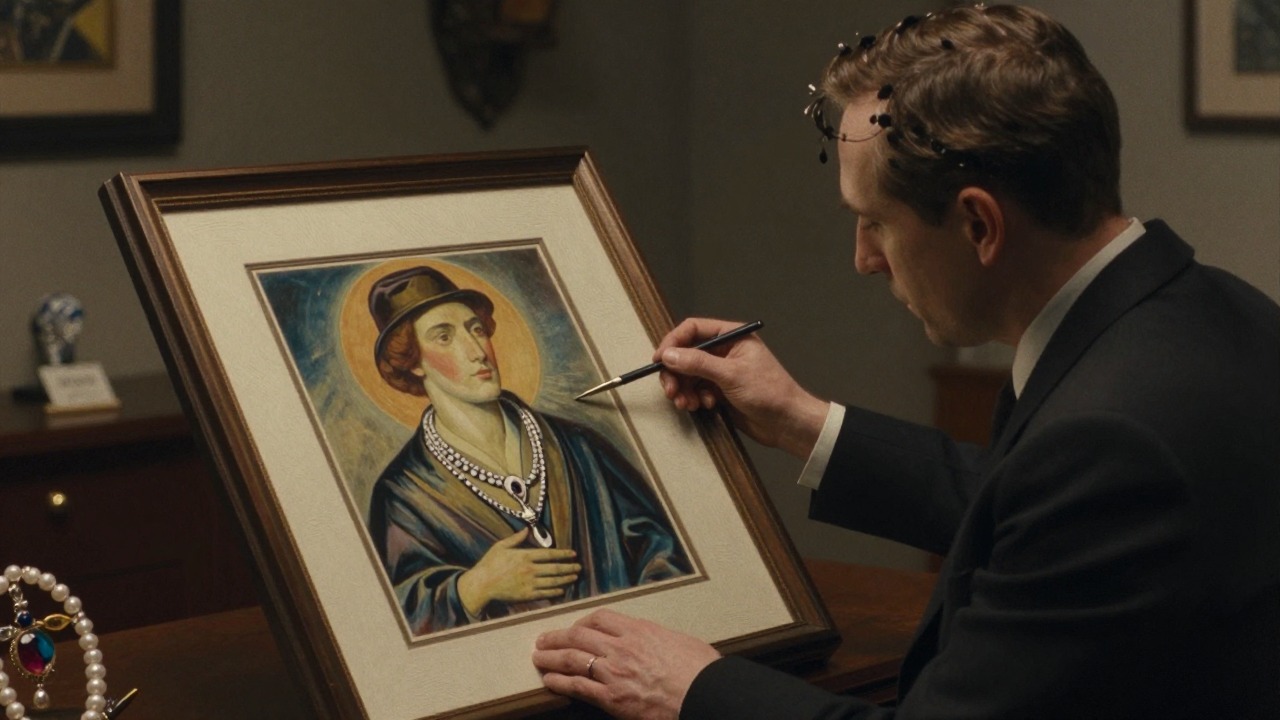
Tagomi Accepts the New Art
Context
After the SD raid, Nobusuke Tagomi is a broken man. He trades in his Colt, Childan refuses to accept it, and then Childan shows him the Edfrank jewelry as the true new life of America.
Turning Point
Tagomi, unable to understand or to believe, buys one piece nevertheless, a silver triangle. He carries it to the park and from it experiences a strange glimpse of something transcendent.
Significance
The exchange completes the shift from historic objects to contemporary ones. The silver triangle is no longer an artifact of memory; it is a vessel of present life and future hope.
Friday morning in Robert Childan's store
the afternoon the University calls Childan
afternoon meeting at Ray Calvin Associates
when Ed McCarthy brings the wicker hamper to the store
during the final visit to Childan's store
